Finding the ingredients
You can open unfamiliar ingredients directly from the list. Many Korean pantry basics are easiest to find in Asian grocery stores or online, while fresh ingredients can often be handled more flexibly.
 Hansik Young
From my kitchen
I keep this recipe practical for everyday cooking: clear steps, linked ingredients, and small notes from my kitchen so you can make it realistically in Germany too.
The preparation of the meat is very important. In Germany, butchers won’t know what "Bulgogi meat" is, as it is sold specifically for Bulgogi in Korea. In my opinion, short ribs are the best choice, but ribeye (entrecôte) also works well. The most important thing is to slice the meat very thinly. I often prepare a large amount of thinly sliced meat in advance, specifically for Bulgogi or Shabu-Shabu.
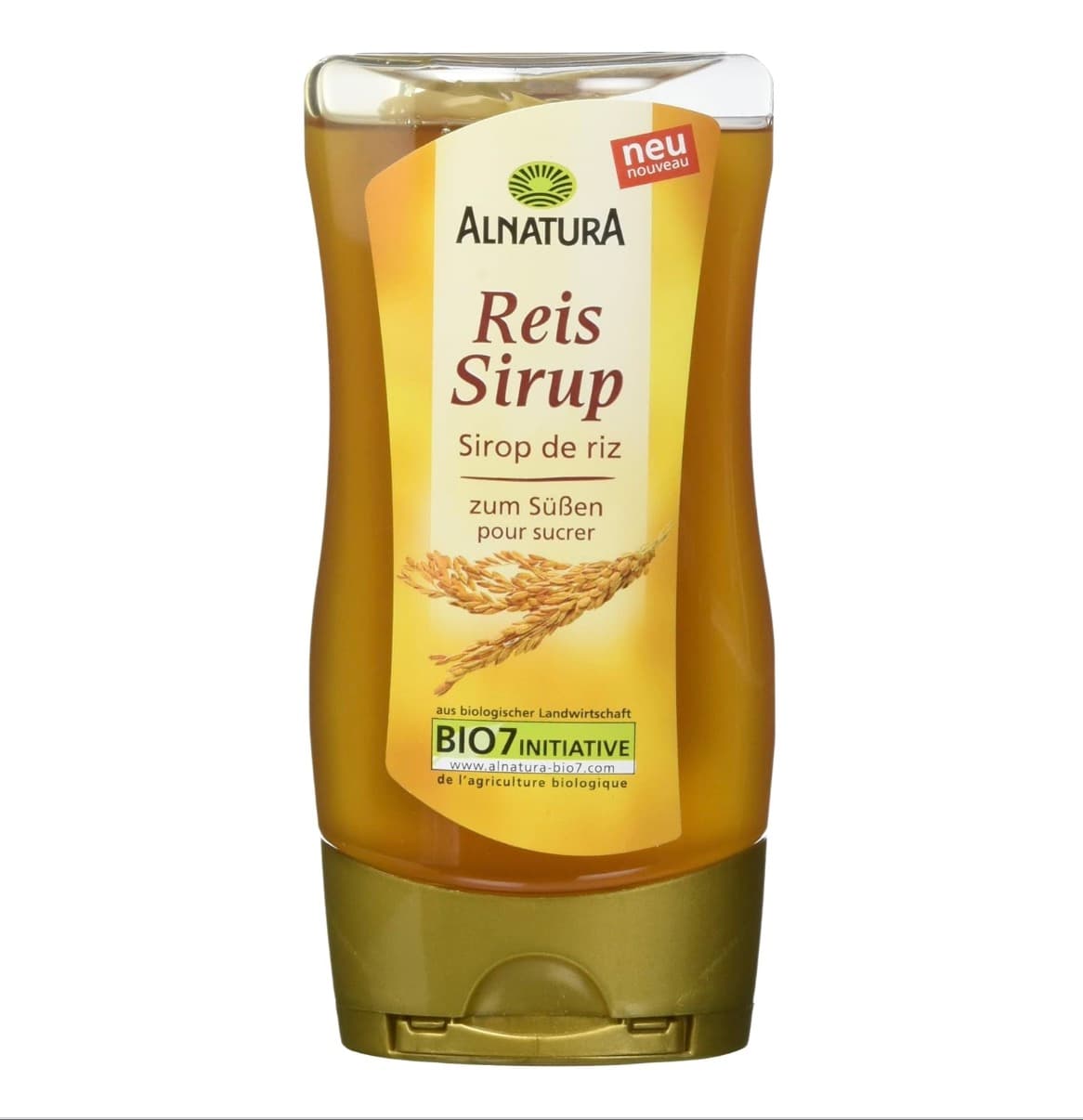
Instead of corn syrup, you can also use glucose syrup.
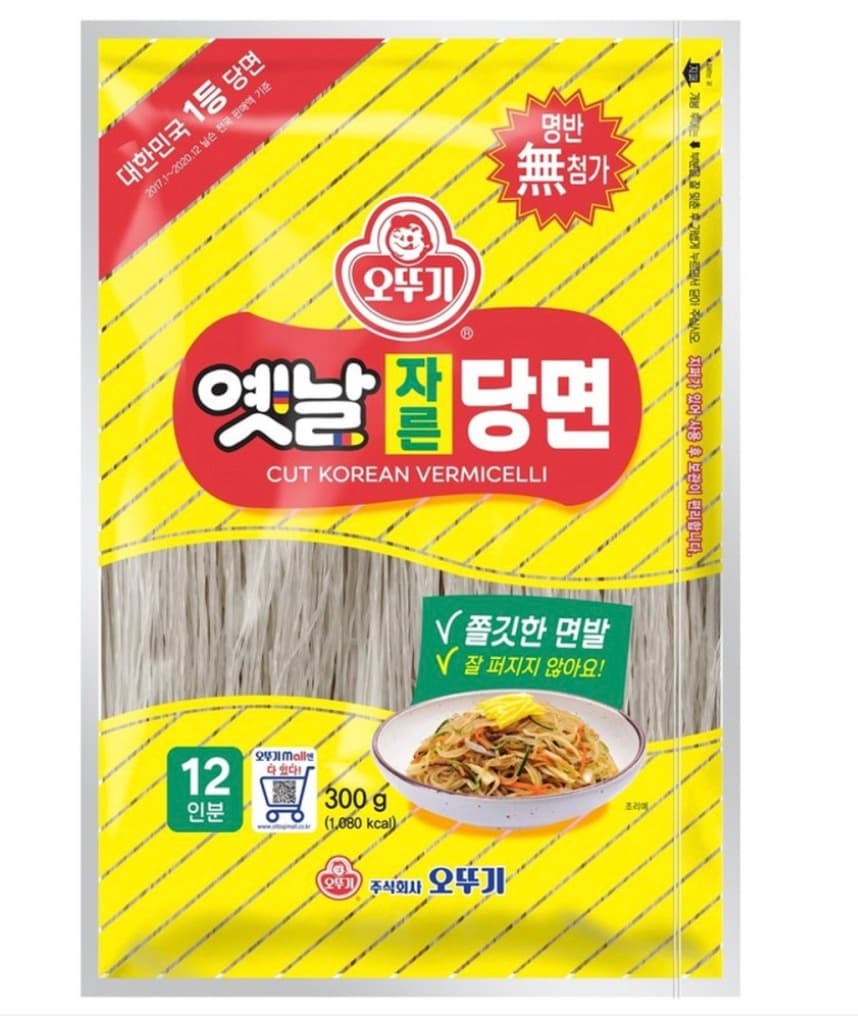
The dangmyeon (Korean glass noodles) should be soaked in cold water for at least an hour and then boiled in hot water for about 4 minutes. Once prepared, they can be added at the end of the Bulgogi dish.
You can open unfamiliar ingredients directly from the list. Many Korean pantry basics are easiest to find in Asian grocery stores or online, while fresh ingredients can often be handled more flexibly.
Place the meat, sugar, and corn syrup in a bowl. Since sugar has a coarser texture, it is added first to help marinate the meat.
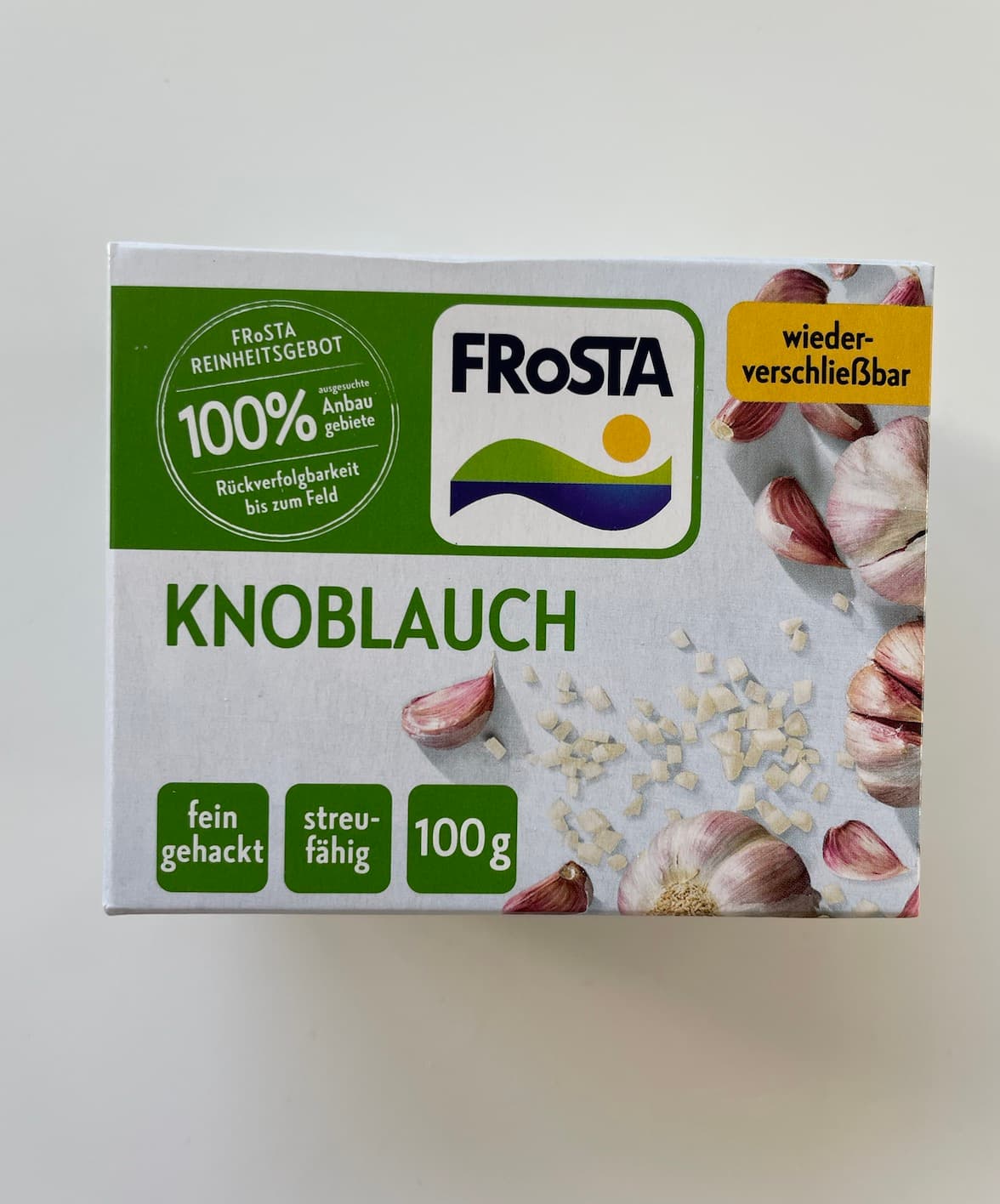
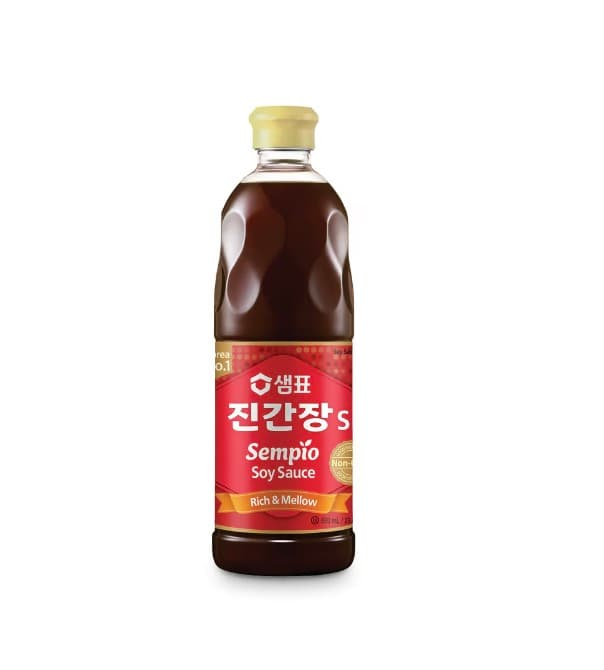
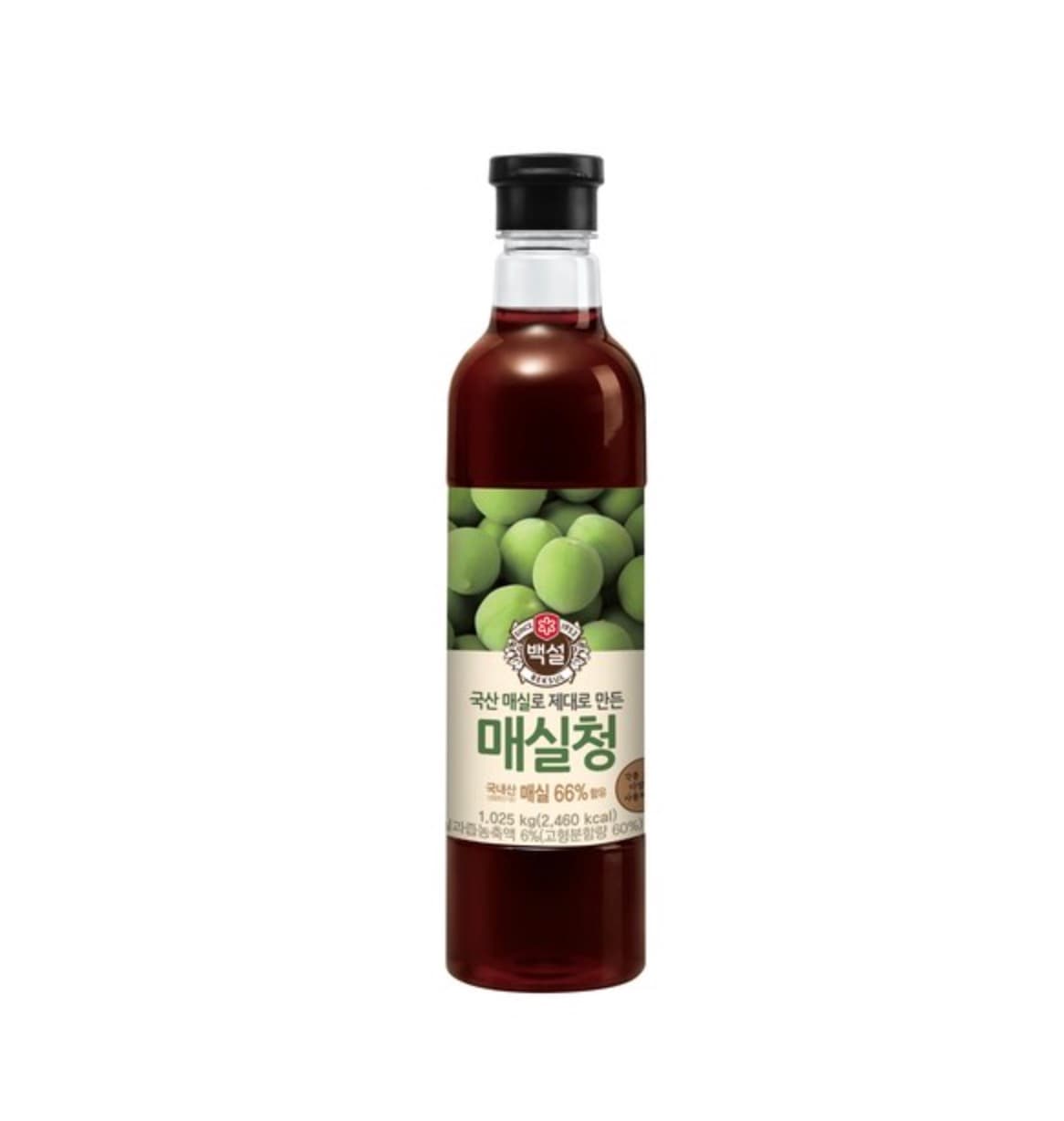
Add minced garlic, soy sauce, and pepper, and massage the mixture well into the meat to ensure it absorbs the marinade thoroughly. If plum extract is available, add it as well.
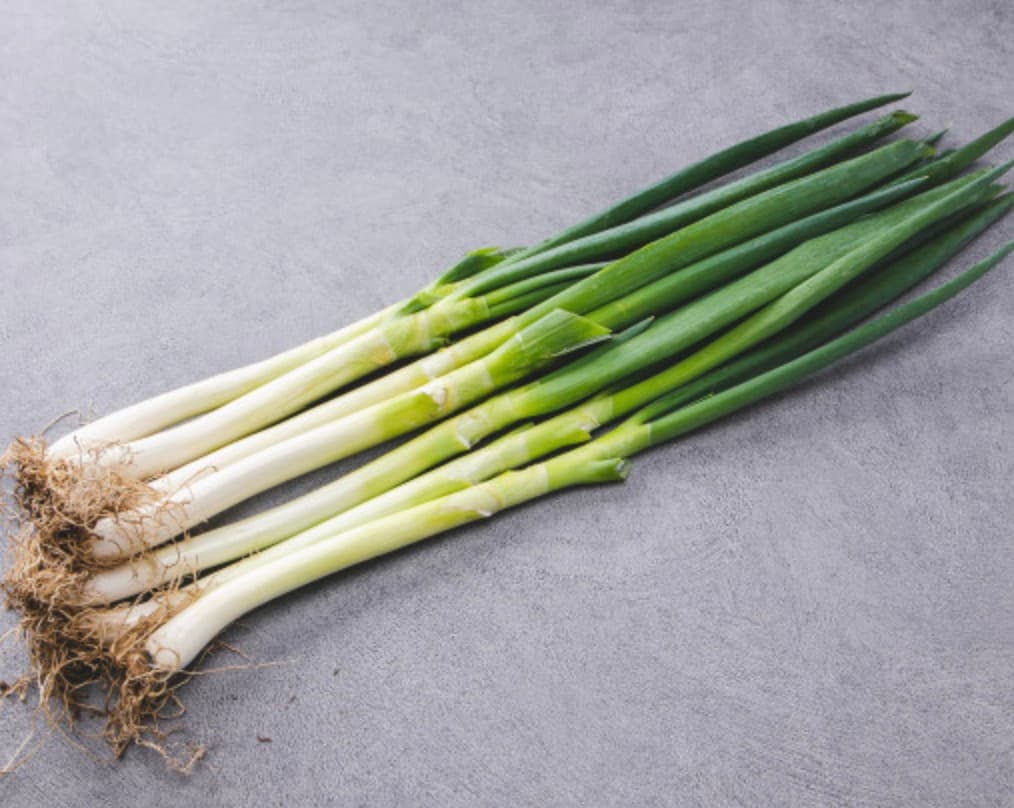
Finally, add sesame oil and top with sliced onion, green onion, and mushrooms. Cover with a lid or plastic wrap and let it marinate in the refrigerator for at least an hour.
Transfer the mixture to a pan and cook. The delicious aroma and color of the meat will guarantee the authentic "Bulgogi" taste. Enjoy your meal!
Yes. Read through the steps once and prepare the ingredients first. That makes the recipe much easier to follow.
Asian grocery stores, Korean online shops, and larger supermarkets with an Asian section are usually the easiest places to start.