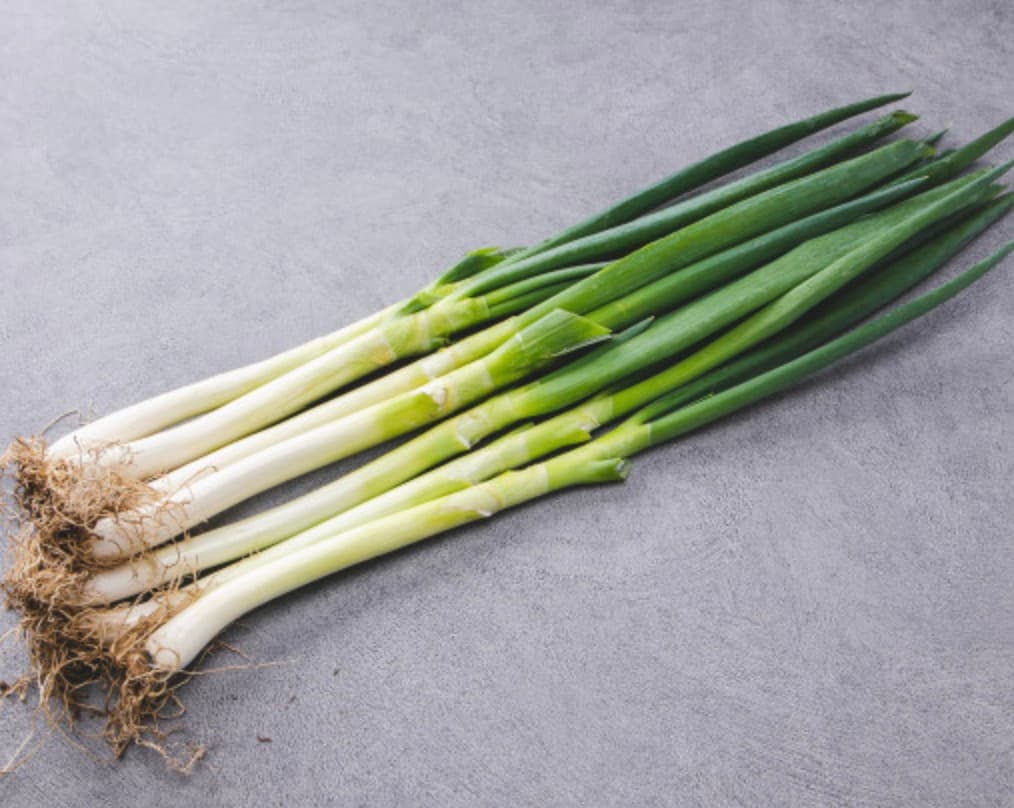
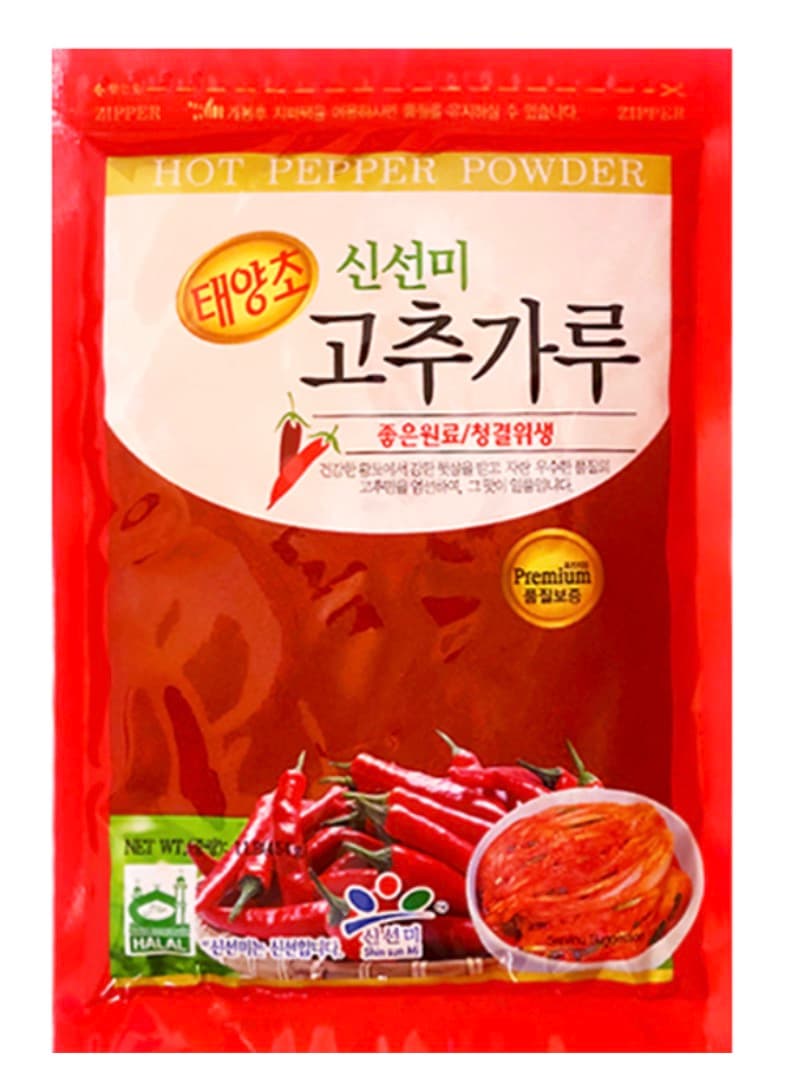
Finding the ingredients
You can open unfamiliar ingredients directly from the list. Many Korean pantry basics are easiest to find in Asian grocery stores or online, while fresh ingredients can often be handled more flexibly.
 Hansik Young
From my kitchen
I keep this recipe practical for everyday cooking: clear steps, linked ingredients, and small notes from my kitchen so you can make it realistically in Germany too.
I’ve previously posted a recipe for spinach namul (Korean spinach salad), and now it’s time for kongnamul muchim, another popular Korean vegetable side dish. Korean cuisine is known for its variety of vegetable-based side dishes, which is why it’s often considered healthy and vegan-friendly. Historically, Korea has had abundant natural resources due to its mountainous terrain, which led to our ancestors cooking and experimenting with numerous vegetables and herbs.
Before I introduce a proper bibimbap recipe, I need to share more namul (vegetable side dishes) recipes, since bibimbap’s real taste comes from the variety of seasoned vegetables. You can expect a true bibimbap recipe after a few more namul dishes! 😊
There are two versions of kongnamul muchim: one with Korean chili powder and one without. Both are delicious, so I encourage you to try both ways.
You can open unfamiliar ingredients directly from the list. Many Korean pantry basics are easiest to find in Asian grocery stores or online, while fresh ingredients can often be handled more flexibly.
Prepare the soybean sprouts:
Rinse soybean sprouts thoroughly under cold running water 2-3 times. In Korea, some families remove the roots or hulls from the sprouts, but it’s not necessary. Just make sure they are clean and well-drained.
Boil the sprouts:
In a pot, bring 1L of water to a boil and add 2/3 tablespoon of salt.
Add the soybean sprouts to the boiling water and cook for 2 minutes 30 seconds to 3 minutes.
Important: Do not cover the pot with a lid while cooking, as it can cause the sprouts to develop a fishy smell. If you decide to cover, keep it covered without opening.
Rinse and drain:
After cooking, immediately transfer the sprouts to cold water to cool them down, then drain them well in a colander.
Season the sprouts:
In a mixing bowl, combine the cooked soybean sprouts, chopped green onion, soup soy sauce or tuna fish sauce, and sesame oil.
If you like spicy flavors, add Korean chili powder and mix everything thoroughly.
Finish with sesame seeds:
Sprinkle some sesame seeds on top before serving for an extra layer of nutty flavor.
Enjoy your kongnamul muchim! It’s an essential side dish that pairs well with almost any Korean meal. 😊
Yes. Read through the steps once and prepare the ingredients first. That makes the recipe much easier to follow.
Asian grocery stores, Korean online shops, and larger supermarkets with an Asian section are usually the easiest places to start.