Finding the ingredients
You can open unfamiliar ingredients directly from the list. Many Korean pantry basics are easiest to find in Asian grocery stores or online, while fresh ingredients can often be handled more flexibly.
 Hansik Young
From my kitchen
I keep this recipe practical for everyday cooking: clear steps, linked ingredients, and small notes from my kitchen so you can make it realistically in Germany too.
Slice the beef as thinly as possible to achieve a tender texture. I usually use a meat slicer to ensure the meat is evenly thin.
Since it’s not always easy to find all the ingredients in Germany, you can use regular salt as a substitute if you don’t have access to Korean seasoned salt or sea salt (such as "seasoned salt" or "flower salt").
Sesame oil is an essential ingredient in Korean cuisine. If you love Korean dishes, it’s helpful to keep sesame oil on hand. I’ve also added information about sesame oil in the "Ingredients" section.
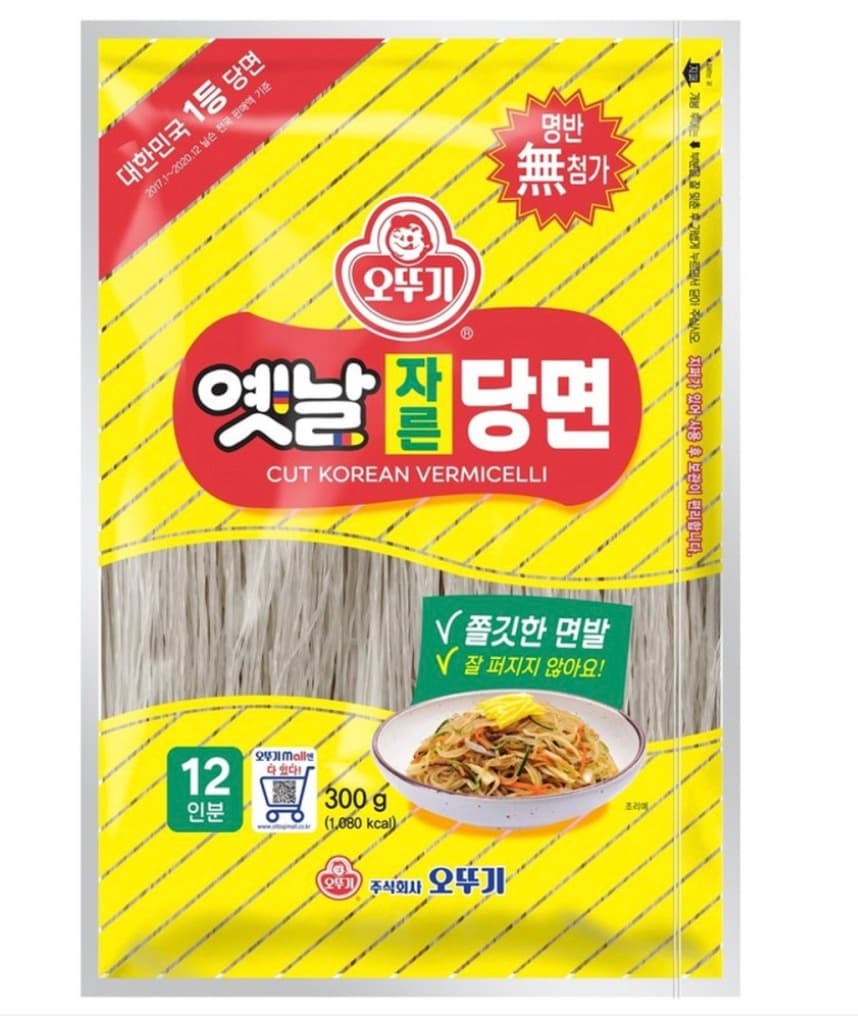
For perfectly cooked glass noodles: Soak them in cold water for about an hour, then boil them in hot water for about 4 minutes. Afterward, rinse them in cold water to ensure the noodles are fully cooked and have a pleasant texture.
You can open unfamiliar ingredients directly from the list. Many Korean pantry basics are easiest to find in Asian grocery stores or online, while fresh ingredients can often be handled more flexibly.
Slice the beef as thinly as possible. I usually use a meat slicer for this.
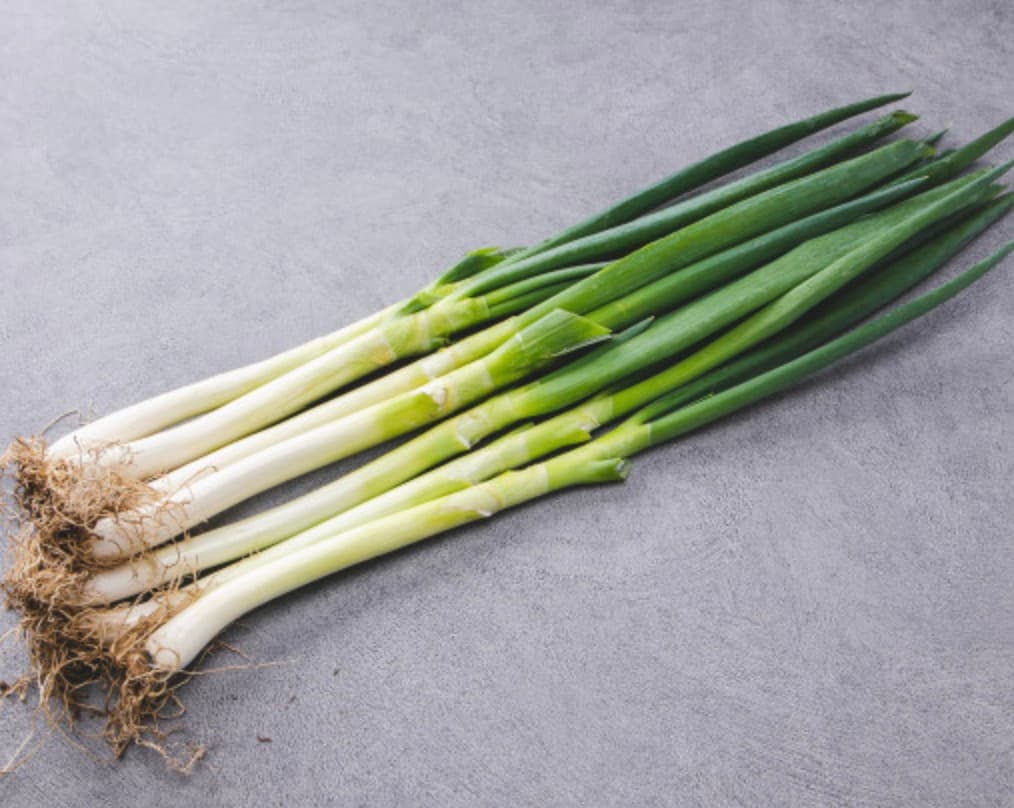
Cut the green onions into finger-length pieces and add 2 tablespoons of olive oil (and optionally 1 tablespoon of sesame oil) to a preheated pot. In Korean cuisine, green onion oil is often used, and this step is called "making green onion oil."
When the green onions turn golden brown, add the beef and sauté it. Once the beef is lightly cooked, add the mung bean sprouts and mushrooms, and stir-fry everything together.
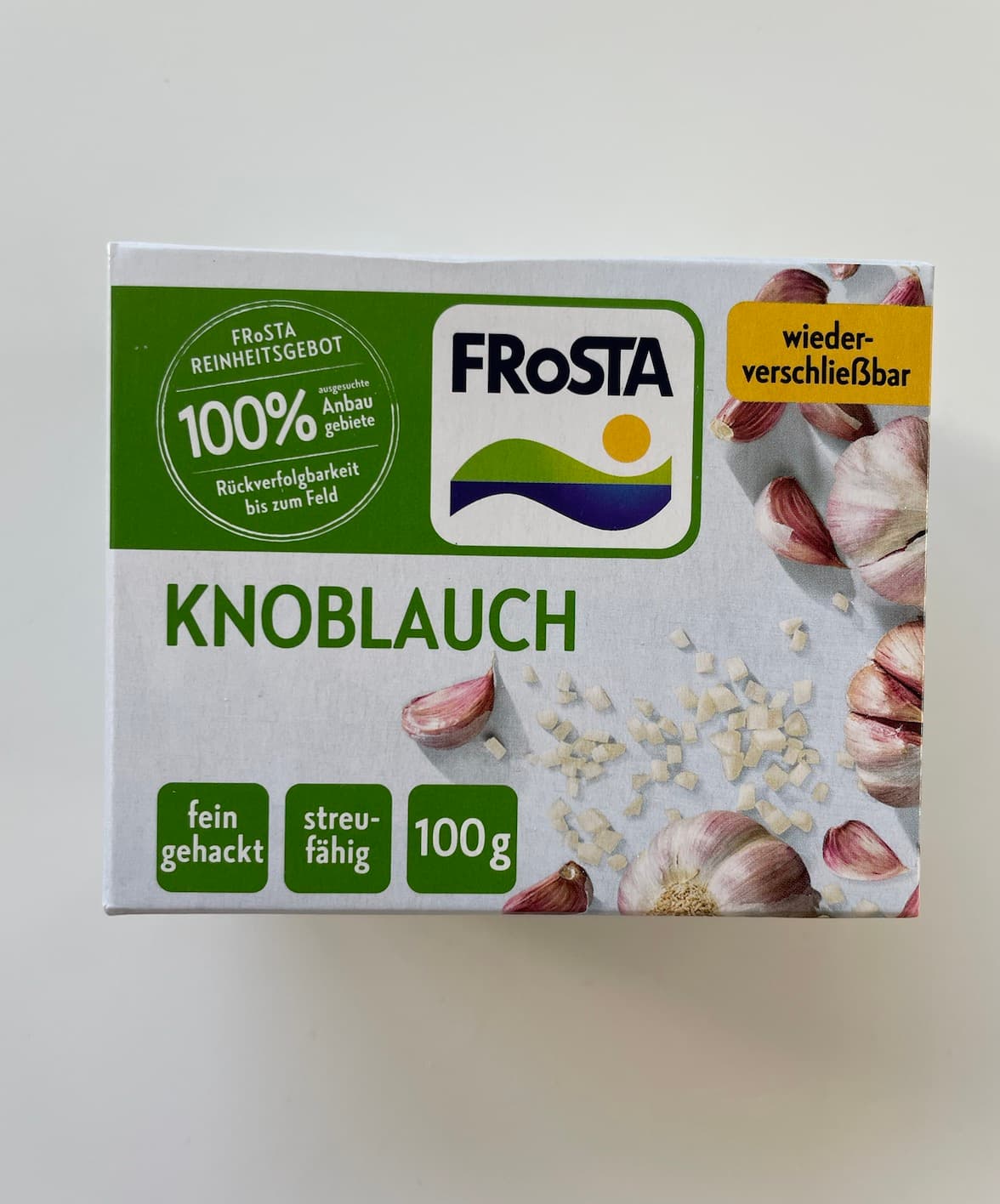
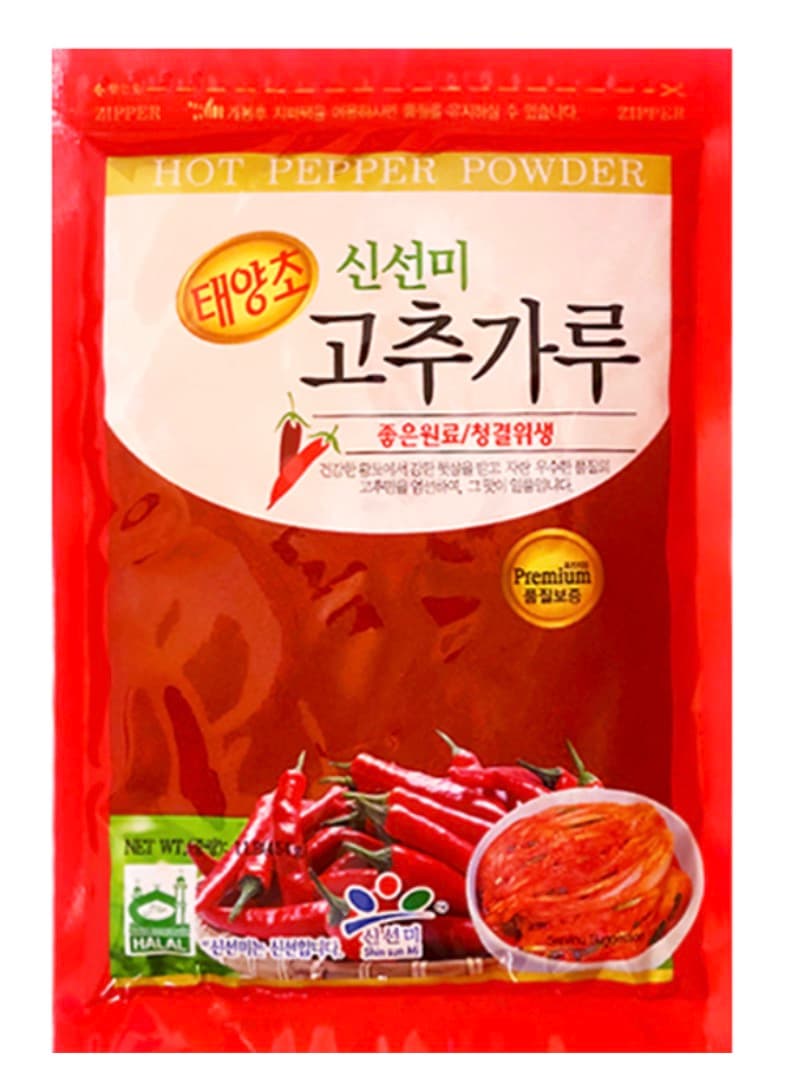
Add chili powder and garlic, and stir-fry them briefly before adding 1.8 liters of water.
In Korea, a bag of cooked beef bone broth, called "Sagolgomtang," is typically added. Since this is hard to find in Germany, we substitute it with 1/3 tablespoon of beef stock powder for a similar effect.
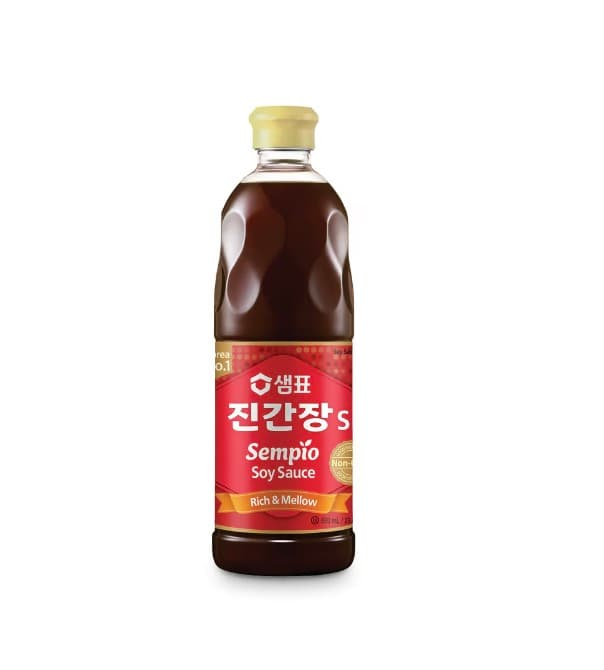
Add soy sauce (Jin-Ganjang), soup soy sauce (Guk-Ganjang), and salt. Turn the heat to high and let the soup boil for about 20 minutes.
Beat the eggs well and pour them evenly into the pot. Let them sit for 2 minutes so they set in place and don’t look messy.
Are you interested in dangmyeon (Korean glass noodles)? These are very popular in Korea. Add the cooked dangmyeon to the pot right before serving, or place them in the serving bowl and ladle the yukgaejang over them.
Season with pepper to taste.
Enjoy your meal!
Yes. Read through the steps once and prepare the ingredients first. That makes the recipe much easier to follow.
Asian grocery stores, Korean online shops, and larger supermarkets with an Asian section are usually the easiest places to start.